Our Home Among The Stars
Every mainline vessel under our commission carries a name that reverberates with the legacy of a human whose passion for astronomy, astrophysics, and space exploration propelled us towards the stars. These dedications are a testament to the shared spirit of discovery and unity that transcends cultural and religious differences. Let us honor their names and carry forward their vision, as we continue to explore the depths of the universe with unwavering curiosity and undaunted courage.
Main Fleet
In order to commemorate the significance of our expedition and the hazards that we willingly undertake to advance the exploration and discovery, the ensuing inscription will be inscribed on a plaque on board each ship:
Let this vessel be a shining symbol of our boundless curiosity, our fearless hearts, and our unwavering resolve to discover what lies beyond the farthest reaches of the stars.
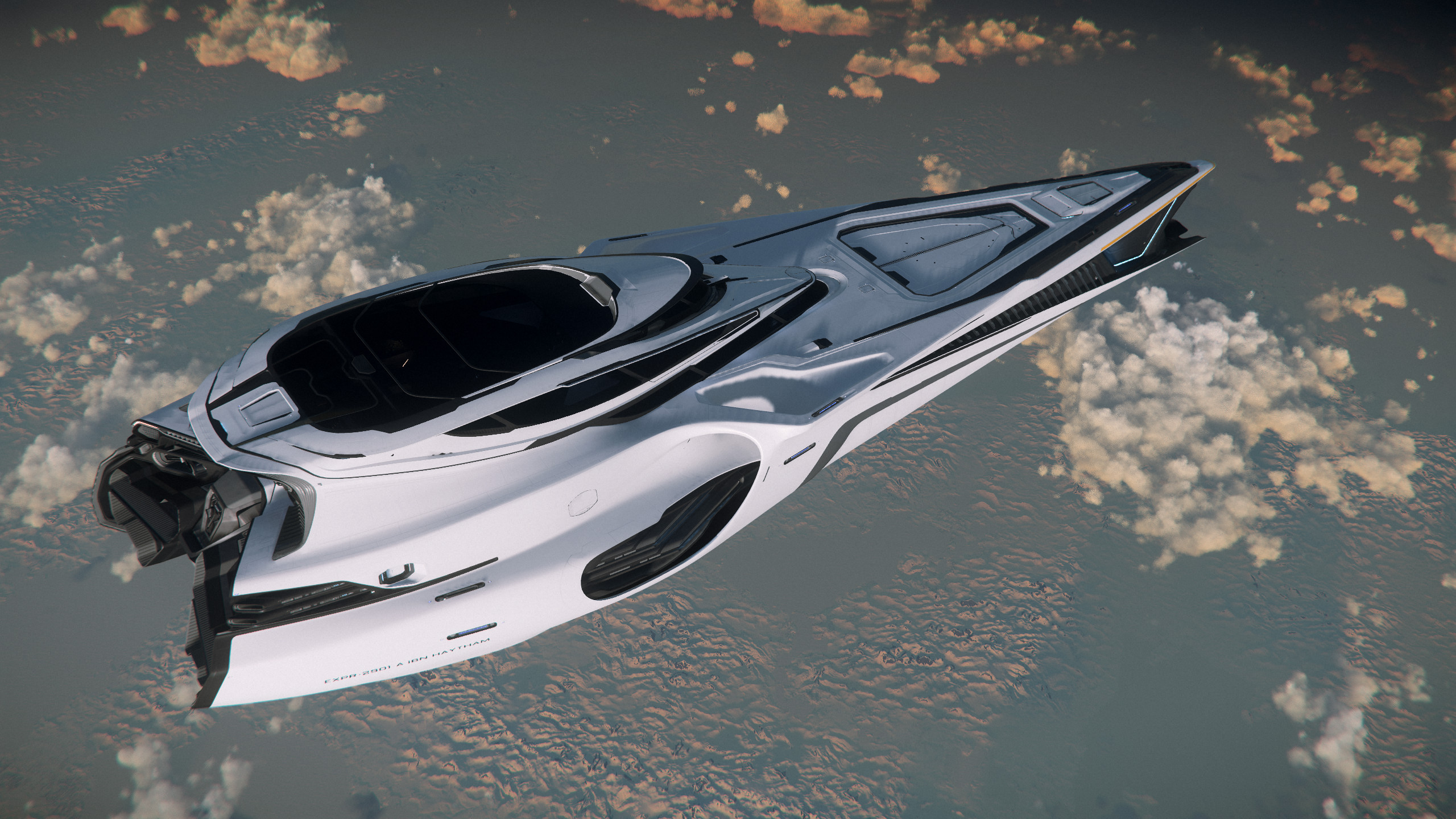
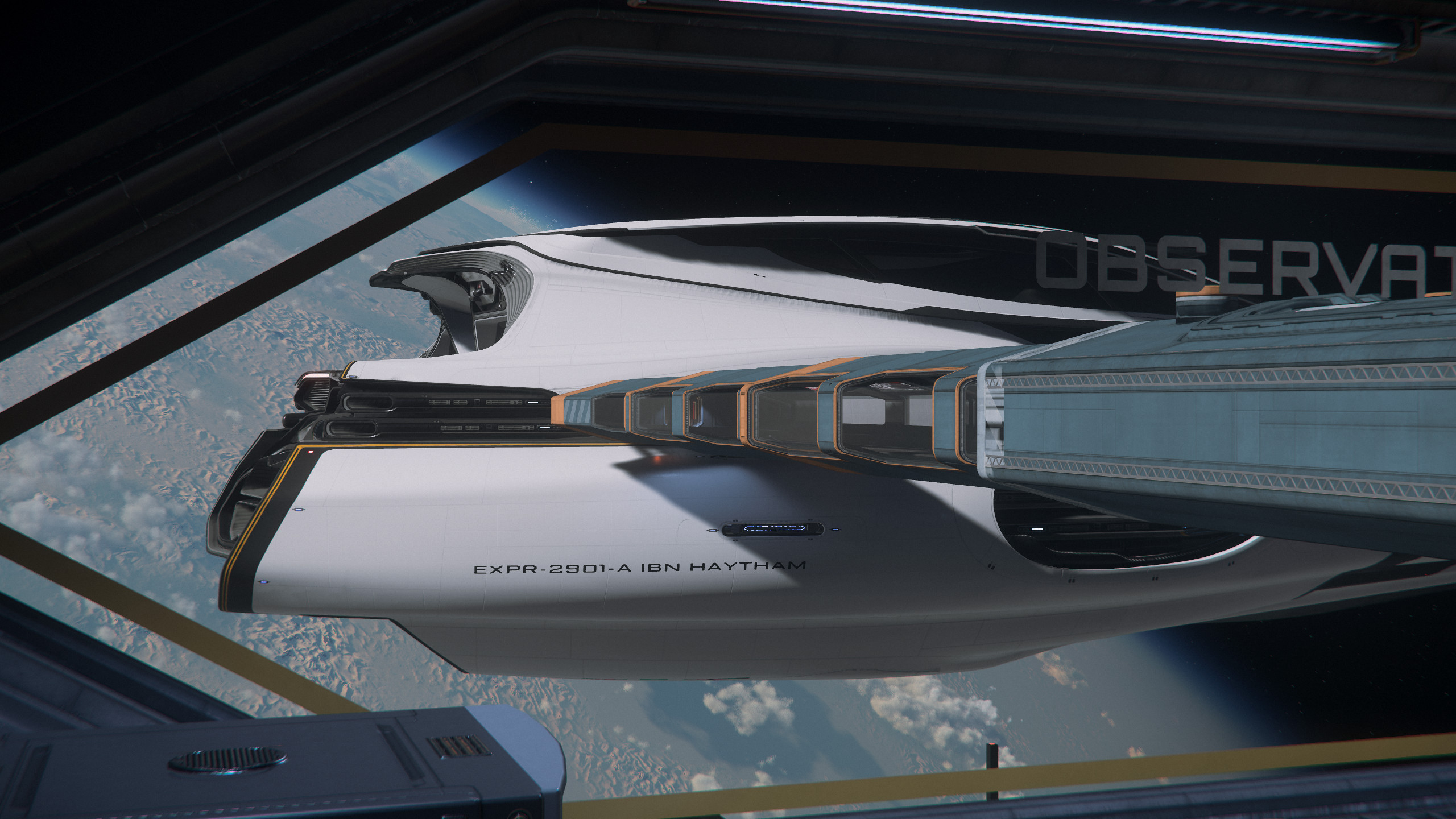
The Ibn Haytham is a marvel of engineering and technology. Originally designed for military purposes, it underwent extensive modifications to serve as a cutting-edge exploration vessel. It boasts state-of-the-art sensor arrays, advanced communication systems, and fully equipped medical and science facilities. Its reinforced hull and advanced propulsion systems enable it to withstand the rigors of deep space and traverse the far reaches of the cosmos with ease. With spacious living quarters for a diverse crew, it embodies both function and comfort, making long-duration exploratory missions feasible.
The ship is named after Ibn Haytham, a revered figure in the history of science. Ibn Haytham, also known as Alhazen, was a polymath from the Islamic Golden Age in the 10th and 11th centuries. His pioneering work in optics, astronomy, and the scientific method laid the foundation for modern scientific inquiry. Ibn Haytham’s groundbreaking studies on light, vision, and the nature of optics revolutionized our understanding of the physical world.
By naming the vessel after Ibn Haytham, the Corps. pays homage to a visionary thinker who not only expanded the boundaries of human knowledge but also embodied the spirit of curiosity and exploration. The Ibn Haytham serves as a symbol of the ongoing quest for discovery, reminding us of the infinite possibilities that await us in the uncharted territories of space. It is a vessel dedicated to unraveling the mysteries of the cosmos, just as Ibn Haytham dedicated his life to unraveling the mysteries of the natural world.
- The Su Song is a testament to engineering ingenuity. Originally designed for military applications, it underwent extensive retrofitting to become a state-of-the-art exploration vessel. The ship is equipped with advanced sensor arrays, top-tier communication systems, and comprehensive research facilities. Its robust hull and advanced propulsion systems make it more than capable of enduring the challenges of deep space exploration. With spacious and comfortable living quarters for a diverse crew, the Su Song prioritizes both functionality and crew well-being, ensuring the success of extended missions.
The vessel takes its name from Su Song, a visionary polymath from China’s Song Dynasty in the 11th century. Su Song is renowned for his groundbreaking work in various fields, including astronomy, cartography, and engineering. His masterpiece, the “Liyuan Atlas,” was an intricate celestial atlas and clock tower that showcased his intricate understanding of both the heavens and mechanical engineering. Su Song’s legacy is further enhanced by his pioneering work on water-driven escapements, a precursor to modern clock mechanisms.
By naming the ship after Su Song, the Corps. pays tribute to a true Renaissance figure who reshaped the boundaries of knowledge during his era. The Su Song serves as a symbol of the enduring human spirit of exploration, echoing the curious and inventive nature of its namesake. It stands ready to explore the cosmos and unlock its mysteries, just as Su Song’s innovations unlocked new realms of understanding in his time.
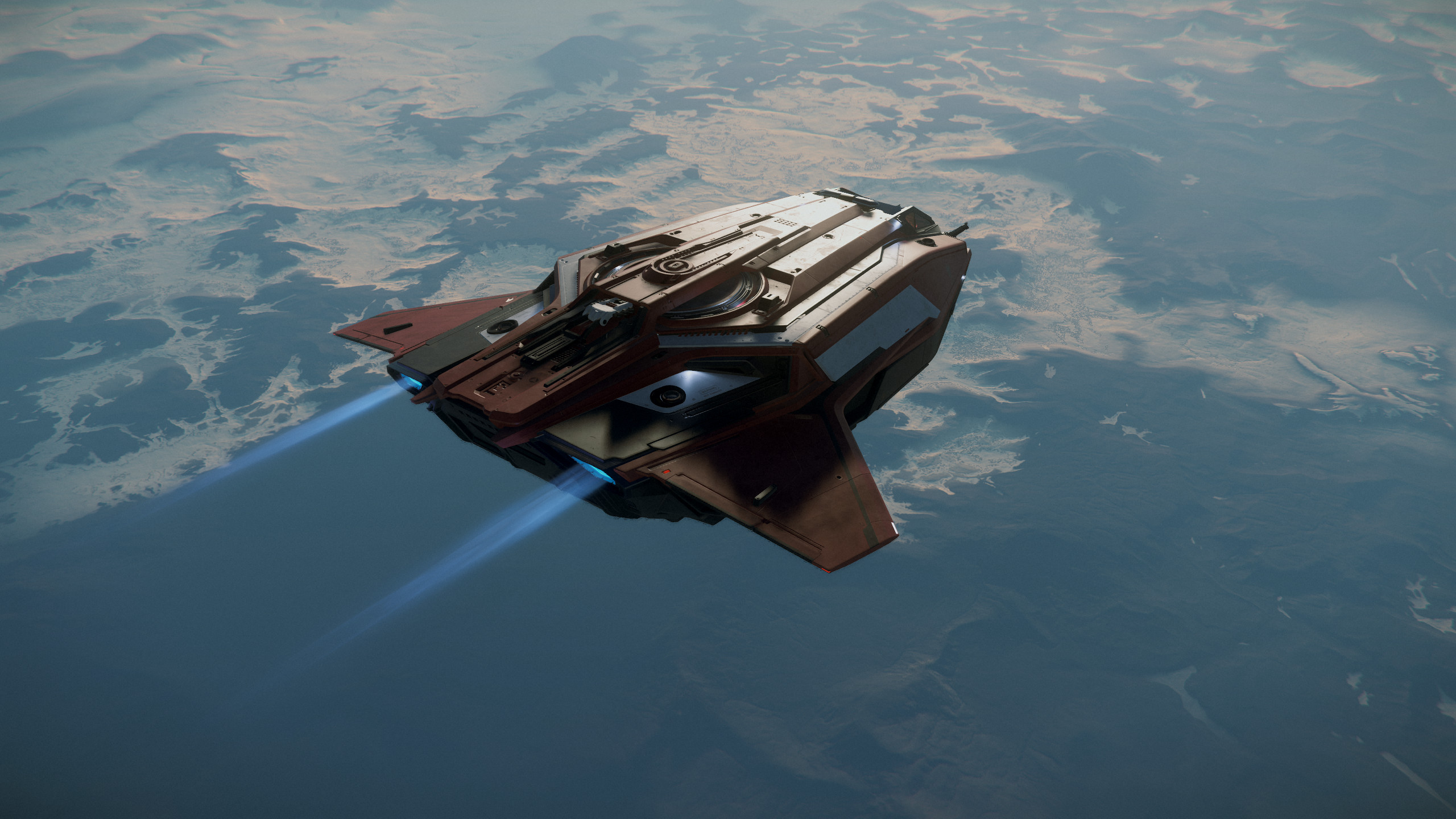
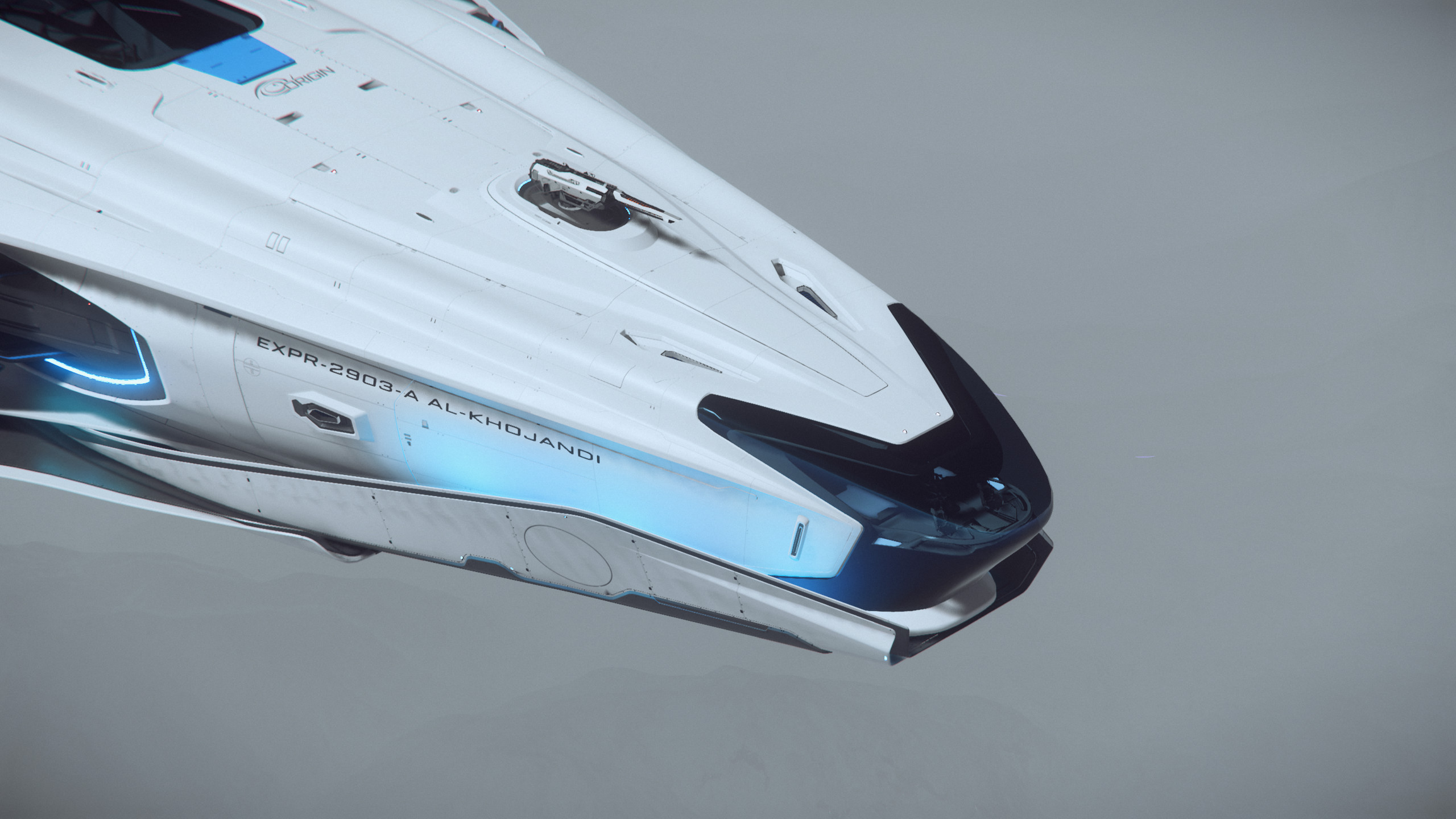
The Origin 600i Exploration vessel is a luxurious spacecraft designed for long-range exploration missions. It features an advanced scanner suite, a dedicated fuel scoop for collecting hydrogen fuel from gas giants, and a cargo bay for storing collected resources. The ship’s modular design allows for easy customization to suit a variety of exploration needs. The ship is named after Abu-Mahmud al-Khojandi, a renowned astronomer and mathematician from the Islamic Golden Age. Al-Khojandi is credited with developing the first accurate measurements of the solar year, and his work in astronomy was heavily influenced by Greek and Indian scholars. He also contributed to the development of algebra and trigonometry, laying the foundation for modern mathematics. The choice to name the Origin 600i Exploration vessel after al-Khojandi reflects eXplore’s commitment to advancing scientific knowledge through exploration and discovery, in the tradition of great thinkers like al-Khojandi.
The Origin 600i Exploration is a high-end luxury space vessel, designed to provide comfort and style during long-range exploration missions. It features a sleek, aerodynamic exterior and a spacious interior, complete with high-end amenities and state-of-the-art technology. The ship is named after Hypatia, a renowned mathematician, astronomer, and philosopher who lived in Alexandria during the 4th and 5th centuries AD. Hypatia was a trailblazer in her field and made significant contributions to the study of mathematics, astronomy, and philosophy. She was known for her intellect, her teaching skills, and her role as a public figure who inspired many young students to pursue their passions. The naming of the Origin 600i Exploration vessel after Hypatia is a tribute to her legacy as a pioneer and a trailblazer, much like how the ship is designed to push the boundaries of exploration and innovation. The vessel is equipped with state-of-the-art technology and advanced sensors, allowing it to chart new territories and make groundbreaking discoveries in the vast expanse of space. Its spacious interior also makes it ideal for extended missions, providing a comfortable and luxurious environment for its crew.
The RSI Apollo Triage is a medical ship designed for emergency response and disaster relief operations. Equipped with advanced medical facilities and a team of highly trained medical professionals, the Apollo Triage can provide critical care to patients in need, even in the most extreme conditions. The ship is named after Ezeulu, a fictional character in Chinua Achebe’s novel, The Arrow of God. Ezeulu is a powerful priest and leader in a traditional Igbo community in Nigeria, and the use of his name reflects eXplore’s commitment to incorporating African culture and history into their ship names. In addition to drawing inspiration from fictional characters, eXplore also looks to ancient and traditional African astronomy for inspiration when naming their ships. The Apollo Triage’s name is just one example of this, as Ezeulu was also known for his knowledge of the stars and their significance in Igbo culture. By naming their ships after important figures in African history and culture, eXplore seeks to honor the continent’s rich heritage and contribute to a more diverse and inclusive universe.
Anders Johan Backlund was a notable Swedish astronomer and physicist who lived in the 19th century. He made significant contributions to the field of celestial mechanics and was one of the first scientists to study the behavior of comets. He also conducted groundbreaking research on the planet Mercury and its orbit. In honor of Backlund’s contributions to astronomy, the Organization’s newest exploration vessel, a Crusader Industries Mercury Star Runner, is being named after him. The Backlund will serve as a data transfer vessel between deep space exploration ships and Central Command. Equipped with advanced sensors and communication systems, as well as scanning facilities for conducting scientific research, the ship is designed to facilitate the exchange of crucial information and findings from the far reaches of space. Its robust construction enables it to withstand the rigors of long-distance travel and endure the challenges of deep space exploration. The decision to name the Organization’s Crusader Industries Mercury Star Runner after Anders Johan Backlund is a testament to his enduring legacy as a pioneering scientist and researcher. By venturing into the uncharted depths of space and acting as a vital link between exploration vessels and Central Command, the Backlund embodies the spirit of scientific inquiry and discovery that Backlund exemplified during his lifetime.
- The decision to name the MISC Endeavor after Jesús Manuel del Río y Haro is a tribute to the profound contributions and legacy of the esteemed Mexican scientist in the field of astrophysics. Haro, renowned for his pioneering work in developing the cosmic ray detector, significantly advanced our understanding of high-energy particles from space.
The MISC Endeavor, as a vessel designed for cutting-edge exploration and scientific research, embodies the spirit of Haro’s commitment to pushing the boundaries of knowledge. Equipped with advanced sensors, state-of-the-art communication systems, and dedicated laboratory facilities, the Haro is poised to continue Haro’s legacy by delving into the mysteries of the cosmos.
By attaching Haro’s name to this exploration ship, we pay homage to a visionary scientist who dedicated his life to expanding our understanding of the universe. The Endeavor, like Haro himself, is designed to travel vast distances and endure the challenges of deep space exploration. This symbolic association aims to inspire the crew and future generations of explorers to embody the same passion for scientific inquiry and discovery that defined Jesús Manuel del Río y Haro’s remarkable career.
In naming the MISC Endeavor after Haro, we seek to honor a scientist whose groundbreaking work paved the way for advancements in astrophysics. The Haro is not just a vessel; it is a testament to the enduring impact of scientific curiosity and innovation, propelling humanity into the uncharted realms of the cosmos.
Shuttle & Support Fleet
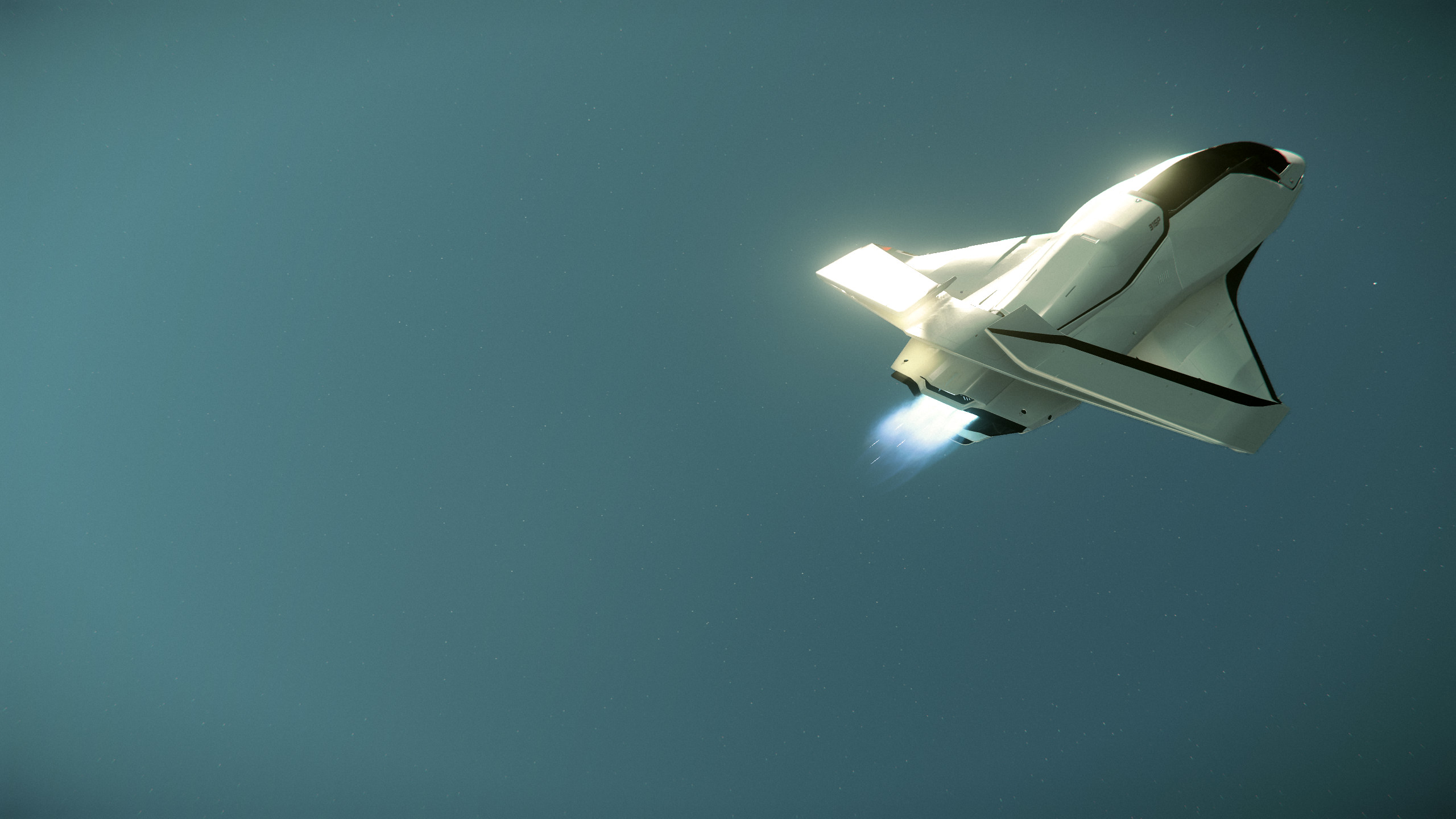
- EXPR-2801 | Starlight (Origin 315P)
- EXPR-2802 | Explorer (Origin 315P)
- EXPR-2803 | Herald (Anvil C8X)
- EXPR-2804 | Nijme (Anvil C8X)
- EXPR-2805 | Maverick (Anvil C8X)
- EXPR-2806 | Sprinter (Anvil C8R)
- EXPR-2807 | Estrella (Anvil C8X)
- EXPR-2808 | Savior (Anvil C8R)
- EXPR-2809 | Toro (Argo MPUV)
- EXPR-2810 | Matador (Argo MPUV)
- EXPR-2811 | Breaker (Anvil Valkyrie)
Ground Vehicles
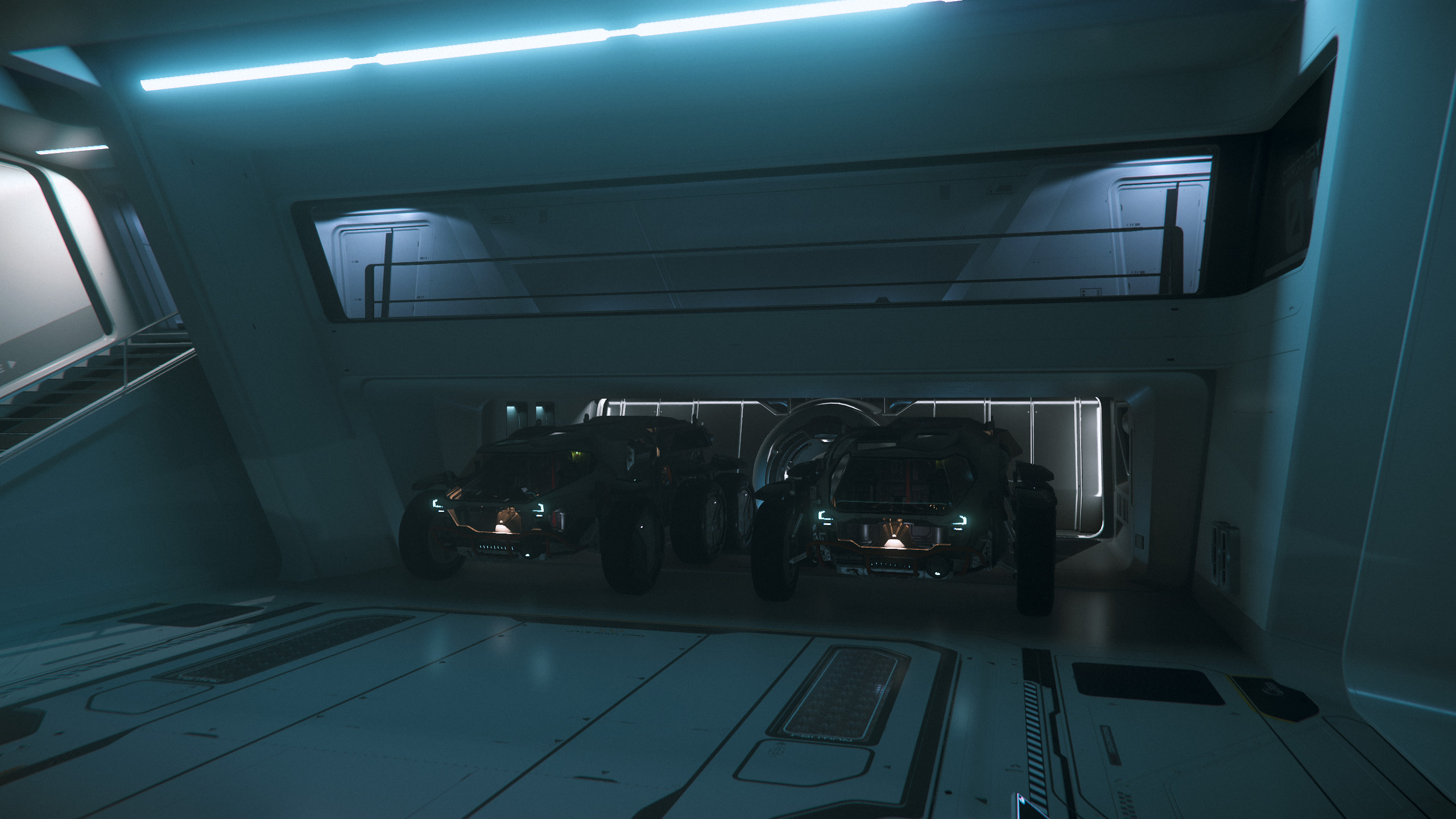
- EXPR-1001 | Scout (RSI Ursa Rover)
- EXPR-1002 | Spartan (RSI Ursa Rover)
- EXPR-1003 | Pioneer (RSI Ursa Rover)
- EXPR-1004 | Discovery (RSI Ursa Rover)
- EXPR-1005 | Caelestis (RSI Lynx)
- EXPR-1006 | Plato (RSI Lynx)
- EXPR-1007 | Copernicus (RSI Lynx)
- EXPR-1008 | Homer (RSI Lynx)
- EXPR-1009 | Flash (RSI STV)
- EXPR-1010 | Hero (RSI STV)
- EXPR-1011 | Builder (Drake Mule)
- EXPR-1012 | Puncher (Drake Mule)
- EXPR-1013 | Buzz (Greycat PVT Buggy)
- EXPR-1014 | Zeus (Greycat PVT Buggy)
Fleet Gallery